

Skip to Content
xtroverso
  • How it works
  • From €250
  • Scope
  • About
  • Knowledge
  • 0
  • 0
  • Nederlands English (US) Italiano Español
  • CLIENT AREA
xtroverso
  • 0
  • 0
    • How it works
    • From €250
    • Scope
    • About
    • Knowledge
  • Nederlands English (US) Italiano Español
  • CLIENT AREA
XTROVERSO
How it works From €250 Scope About Knowledge
NL EN IT ES
Client portal Let's meet ↗
Menu
How XTROVERSO works Your best sleep Why different Scope of work Framework and controls Verification Cultural manifesto FAQ About Work with us Press room Knowledge Contact Let's meet Client portal
NL EN IT ES
  • All Blogs
  • Human Resources
  • Why One Good Warning Beats Three Bad Ones
  • Why One Good Warning Beats Three Bad Ones

    Practical XTROVERSO guidance on Why One Good Warning Beats Three Bad Ones: payroll, people, contracts, rosters, freelance work, and workforce risk.
    February 5, 2026 by
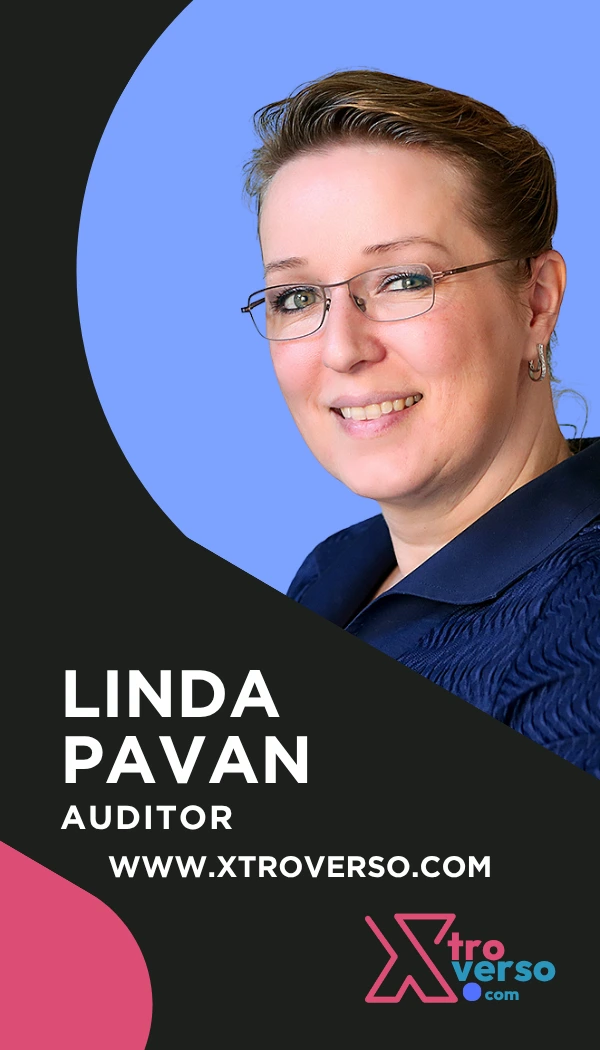
    Linda Pavan


    For a small business, staff issues don’t stay theoretical for long. They show up in late invoices, disrupted planning, client complaints, and hours of admin you didn’t budget for. When an employee starts slipping, most owners assume there’s a simple ladder to climb: a chat, then a warning, then two more, and only then consequences. Dutch law doesn’t work like that, and believing it does can quietly turn into an expensive mistake.

    There is no “three strikes” rule in the Netherlands. What matters is not how many warnings you give, but whether each step is properly documented and fair. Courts and the UWV, the public body that handles dismissal permits, don’t look at your intentions or your memory. They look at paper. A verbal warning may feel constructive, but legally it barely exists. A written warning, done correctly, is what counts.

    “Correctly” sounds heavier than it is. An official warning must describe a specific, provable issue, not a mood or a feeling. “Poor attitude” goes nowhere; “missed three client meetings without notice” does. Before issuing it, you must hear the employee’s side. This is called wederhoor, the right to be heard, and it’s a basic Dutch principle. It can be a simple conversation, but it must happen, and it must be recorded. Skip this step and the warning weakens instantly.

    Since 2020, warnings have become even more important. The law now allows dismissal based on a combination of smaller issues, the cumulatiegrond. One warning rarely justifies termination, but several well-documented ones can form a solid pattern. This cuts both ways. If your records are clear and consistent, you keep control. If they’re vague or uneven one employee warned, another quietly tolerated, you lose leverage, often at the exact moment salary costs are still running.

    I’ve seen this play out in very ordinary settings. A small firm with a capable employee who kept arriving late. Conversations happened, but nothing was written down. When the situation escalated, the employer assumed those talks would count. They didn’t. The business ended up negotiating a costly exit simply because the trail was thin. Not because the issue wasn’t real, but because it wasn’t recorded.

    There’s a human side to this too. Employees should respond in writing to an official warning, even if they agree with it. Otherwise the file becomes one-sided. A short written response, acknowledging receipt, adding context if needed, keeps the record balanced and prevents future disputes from hardening unnecessarily.

    Good warning systems aren’t about punishment. They’re about clarity. State what happened, what rule applies, what could happen next, and how long the warning stays relevant. For most small businesses, that’s a one- or two-year period. After that, if nothing repeats, it should fade. This protects trust on both sides.

    In a tight labour market, replacing people is slow and costly. That makes structure more valuable, not less. A calm, written process gives you room to improve a situation, or to end it, without drama or surprises. It’s cheaper to get the paperwork right early than to discover the gaps later, while the salary meter keeps running.

    in Human Resources
    # ES HR HUMAN RESOURCES IT Laura De Troia NL
    Linda Pavan February 5, 2026
    Share this post

    Share

    Linda Pavan

    Certified ZENTRIQ™ Auditor and co-founder of XTROVERSO™, Linda brings decades of expertise in ledger management and tax compliance. 

    With a rigorous yet pragmatic approach, she ensures financial systems are not just accurate, but aligned with transparency, trust, and long-term resilience.

    BOOK A MEETING

    Linda Pavan

    Gecertificeerd ZENTRIQ™ Auditor en medeoprichter van XTROVERSO™, brengt Linda tientallen jaren expertise mee in ledgerbeheer en fiscale compliance.

    Met een rigoureuze maar pragmatische aanpak zorgt zij ervoor dat financiële systemen niet alleen accuraat zijn, maar ook in lijn liggen met transparantie, vertrouwen en veerkracht op lange termijn.

    BOOK A MEETING

    Laura De Troia

    Laura, con la sua empatia naturale e il suo forte senso del servizio, fa sì che ogni cliente si senta ascoltato, supportato e valorizzato. È impegnata a costruire relazioni durature e porta chiarezza, calore e coerenza in ogni interazione, contribuendo a rafforzare la fiducia e ad elevare l’esperienza del cliente.

    BOOK A MEETING

    Laura De Troia

    Laura, con su empatía natural y su fuerte vocación de servicio, hace que cada cliente se sienta escuchado, acompañado y valorado. Está comprometida con la construcción de relaciones duraderas y aporta claridad, calidez y coherencia en cada interacción, contribuyendo a fortalecer la confianza y a elevar la experiencia del cliente.

    BOOK A MEETING

    Aurelija

    Aurelija, turinti natūralią empatiją ir stiprų rūpinimosi klientu jausmą, pasirūpina, kad kiekvienas klientas jaustųsi išgirstas, palaikomas ir vertinamas. Ji yra atsidavusi ilgalaikių santykių kūrimui, o kiekvienam kontaktui suteikia aiškumo, šilumos ir nuoseklumo, taip stiprindama pasitikėjimą ir dar labiau gerindama kliento patirtį.

    BOOK A MEETING

    Tags
    ES HR HUMAN RESOURCES IT Laura De Troia NL
    Our blogs
    • Ledger & Tax
    • Compliance
    • Market Pulse
    • Human Resources
    • Governance
    • Real Estate
    • I AM

    Read Next
    When a Volunteer Becomes a Risk
    Practical XTROVERSO guidance on When a Volunteer Becomes a Risk: payroll, people, contracts, rosters, freelance work, and workforce risk.
    XTROVERSO

    Artificial intelligence + human experience + professional oversight.

    Service

    How it works Your best sleep Scope of work Why different FAQ

    Framework

    Framework and controls Verification Cultural manifesto

    Practice

    About XTROVERSO Work with us Press room Contact Let's meet Client portal Pavan Geraedts ↗

    Legal

    Terms and conditions Privacy manifesto Cookie policy

    Responsible practice

    XTROVERSO

    Business administration for ZZP and VOF

    VAT period close and filing with Pavan Geraedts Adviseurs

    Office

    De Stuwdam 33-35

    3815 KM Amersfoort

    The Netherlands

    Meetings by appointment

    Contact

    +31 (0)85 401 9174

    hello@xtroverso.com

    KvK 70402787

    VAT NL858307790B01

    BECON 685811

    Professional boundary

    Administration by XTROVERSO

    VAT period close and filing by Pavan Geraedts Adviseurs (always included); further fiscal review where the package requires it

    XTROVERSO and Pavan Geraedts Adviseurs operate as coordinated practices. Responsibilities remain defined in the applicable package and engagement terms.

    © 2017–2026 XTROVERSO. All rights reserved.

    Website Logo

    Respecting your privacy is our priority.

    Allow the use of cookies from this website on this browser?

    We use cookies to provide improved experience on this website. You can learn more about our cookies and how we use them in our Cookie Policy.

    Allow all cookiesOnly allow essential cookies