
Zum Inhalt springen
xtroverso
  • DIENSTLEISTUNGEN
  • KERN
  • FAQ
  • PREISE
  • WISSEN
  • MEHR
    • ARBEITSBEREICH
    • KULTURELLES MANIFEST
    • ÜBER
  • 0
  • 0
  • Nederlands English (US) Deutsch Italiano Lietuvių kalba Español
  • Anmelden
  • KONTAKTIEREN SIE UNS
xtroverso
  • 0
  • 0
    • DIENSTLEISTUNGEN
    • KERN
    • FAQ
    • PREISE
    • WISSEN
    • MEHR
      • ARBEITSBEREICH
      • KULTURELLES MANIFEST
      • ÜBER
  • Nederlands English (US) Deutsch Italiano Lietuvių kalba Español
  • Anmelden
  • KONTAKTIEREN SIE UNS

Dividend is not a payday: The BV test you can't skip

Why “profit on paper” is not the same as “cash you can safely take out” for small businesses
  • Alle Blogs
  • LINDA PAVAN
  • Dividend is not a payday: The BV test you can't skip
  • 9. Januar 2026 durch
    Linda Pavan


    In a BV, dividends don’t live in the abstract. They land right in the middle of cash flow, invoices you still need to collect, supplier trust, payroll dates, VAT turns, and that one unexpected bill that always shows up at the wrong moment. A dividend is simply cash leaving the company. And once it’s out, your BV has less room to absorb late-paying customers, a tax assessment, or a quiet month.

    Many entrepreneurs assume that if shareholders want a dividend, the company must pay. In a Dutch BV, that is not how it works. The general meeting of shareholders (the algemene vergadering, often “AV”) can decide that profit will be distributed, but that decision has no effect until the board approves it. If the board does not approve, there is no dividend, full stop. 

    That’s also why shareholders cannot “force” the CEO/board to pay a dividend. The law puts the board at the gate because the board must protect the BV’s ability to pay its debts. The board is allowed to refuse approval only when it knows, or reasonably should foresee, that after the dividend the BV will no longer be able to keep paying its due and payable obligations. In plain language: if paying dividend would make tomorrow’s bills risky, the board must say no. 

    This is where the two practical checks come in. First there is the “balance test” (balanstest): after the distribution, equity may not drop below the legal and statutory reserves. Then there is the “distribution test” (uitkeringstoets): a forward-looking reality check, will the BV still be able to pay its debts as they fall due? This second one is the one small businesses underestimate, because it’s not about last year’s profit; it’s about next quarter’s payments.

    A concrete example I see often: year-end numbers look healthy, so the owner wants a dividend in January. Meanwhile, two big invoices are still outstanding, VAT is due, and there’s a lease payment coming up. On paper, the BV is “profitable.” In real life, the BV may be one delayed payment away from stress. The safest dividend is the one that’s timed after you’ve made a sober cash forecast that includes taxes, loan repayments, and a buffer for surprises, and that you can explain without waving your hands.

    And if a BV does pay dividend while the board knew (or should have known) it would cause trouble, the consequences are not theoretical. Directors can be held personally liable for the shortfall that results from an improper distribution, and shareholders may be required to repay dividend they received if they knew or should have known the distribution was not allowed. That’s exactly why the approval step exists: to prevent “taking money out” from becoming “creating a hole.” 

    My calm advice is simple: treat dividends like a serious contract with your future self. Keep the decision traceable (what did you assume about cash in, cash out, taxes, and upcoming commitments), consider a smaller or staged dividend instead of “everything at once,” and never let the calendar, year-end, holidays, pressure from the holding, rush the reality check. A BV that pays its bills on time buys something more valuable than a dividend: credibility. And credibility is what keeps your business flexible when life gets noisy.
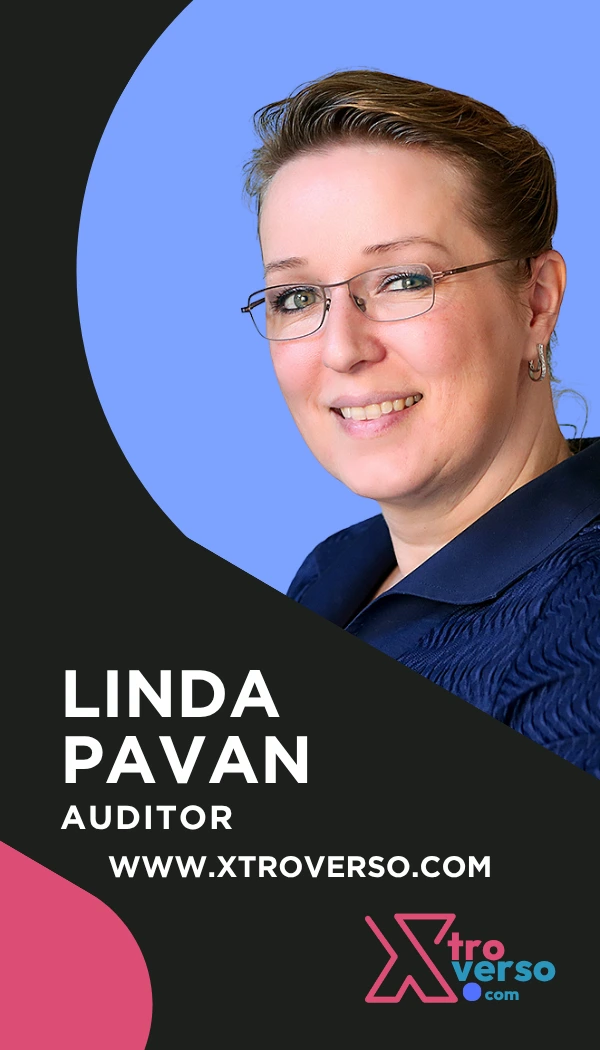


    in LINDA PAVAN
    # ES IT LEDGER Linda Pavan NL
    Linda Pavan 9. Januar 2026
    Diesen Beitrag teilen

    Teilen

    Stichwörter
    ES IT LEDGER Linda Pavan NL
    Unsere Blogs
    • LINDA PAVAN
    • LAURA DE TROIA
    • Reisen
    Your BV Won’t Save You If You Don’t Run It Like a BV
    Limited liability isn’t a magic cloak; it’s a deal, with rules that show up first in your admin and your choices.
    Entdecken
    • ÜBER WIGEPA
    • ARBEITSBEREICH
    • KULTURELLES MANIFEST
    • WISSEN

    Folgen Sie uns
    • Mastodon
    • BlueSky
    • X.com 
    • Linkedin
    • Spotify
    Kontakt aufnehmen
    • +31 (0)85 40 19 174

    • Xtroverso™
    • De Stuwdam 33-35
    • 3815 KM Amersfoort
      Niederlande
    Rechtliches

    ALLGEMEINE GESCHÄFTSBEDINGUNGEN

    DATEN UND PRIVATSPHÄRE

    COOKIE-RICHTLINIE

    GEHALT & BESCHÄFTIGUNGSPOLITIK

    Zertifiziert vonZENTRIQ™. | Ausgerichtet an ISO 37000 | 27001, DSGVO | 37301 | 30414 | 45001 | 37001. |Engagiert für den Schutz der Integrität der Führung, der Governance-Kultur und des gesellschaftlichen Vertrauens.

    Cookie-Richtlinie

    2017-26 © Xtroverso™ | Lizenziert an Wigepa BV Gegründet 2017
    KvK : 70402787 | BTW : NL 8583.07.790 B 01 | BECON : 685811
    Unterstützt durch Odoo - Die #1 Open-Source-E-Commerce

    XTROVERSO

    Wenn Sie hier sind, liegt es wahrscheinlich daran, dass Sie nach mehr als nur einer schnellen Lösung suchen.

    Sie möchten mit Klarheit führen, mit Struktur aufbauen und Ihr Unternehmen darauf vorbereiten, ohne Vorwände zu wachsen.

    Lassen Sie uns also klar sein: Diese Seite verwendet Cookies, um zu funktionieren, um zu verstehen, wie sie genutzt wird, und um das Wichtige zu verbessern — nicht mehr.

    Wir verfolgen Sie nicht. Wir verkaufen Sie nicht.

    Wir bauen Vertrauen auf die gleiche Weise auf, wie wir Unternehmen aufbauen: absichtlich.

    Akzeptieren Sie die Cookies, bleiben Sie fokussiert und verschwenden Sie keine Zeit.

    Sie sind entweder dabei oder nicht — und beides ist in Ordnung.

    ​

    Die Achtung Ihrer Privatsphäre hat für uns oberste Priorität.

    Erlauben Sie die Verwendung von Cookies von dieser Website in diesem Browser?

    Wir verwenden Cookies, um die Benutzererfahrung auf dieser Website zu verbessern. Sie können mehr über unsere Cookies und deren Verwendung in unserer Cookie-Richtlinie.

    Alle Cookies erlauben
    Nur essentielle Cookies erlauben