Skip to Content
xtroverso
  • SERVICES
    • SCOPE OF WORK
    • PRICING
    • Year-End and Board Reporting
    • Employer & Payroll Support
    • Transition and Reconstruction
  • HOW IT WORKS
    • HOW XTROVERSO™ WORKS
    • Client Journey
    • Already a Client?
    • FAQ
  • FRAMEWORK
    • WHY XTROVERSO™
    • Framework and Controls
    • Verification and Compliance Checks
    • Cultural Manifesto
  • KNOWLEDGE
  • ABOUT
  • CONTACT
  • 0
  • 0
  • Nederlands English (US) Deutsch Italiano Lietuvių kalba Español
  • CLIENT AREA
xtroverso
  • 0
  • 0
    • SERVICES
      • SCOPE OF WORK
      • PRICING
      • Year-End and Board Reporting
      • Employer & Payroll Support
      • Transition and Reconstruction
    • HOW IT WORKS
      • HOW XTROVERSO™ WORKS
      • Client Journey
      • Already a Client?
      • FAQ
    • FRAMEWORK
      • WHY XTROVERSO™
      • Framework and Controls
      • Verification and Compliance Checks
      • Cultural Manifesto
    • KNOWLEDGE
    • ABOUT
    • CONTACT
  • Nederlands English (US) Deutsch Italiano Lietuvių kalba Español
  • CLIENT AREA

Navigating Depreciation of Fixed Assets: A Practical Guide

Discover how to navigate depreciation of fixed assets with ease. Learn what it is, why it matters, and how to manage it using simple methods and tools like Odoo. Linda Pavan breaks it all down for you in this friendly, approachable guide.
  • All Blogs
  • LINDA PAVAN
  • Navigating Depreciation of Fixed Assets: A Practical Guide
  • December 23, 2024 by
    Linda Pavan

    Depreciation is one of those accounting topics that can feel a bit intimidating at first, but it’s much simpler than it seems once you break it down. It’s an essential concept for any business owner because it helps you track the value of your assets over time, plan for future investments, and even save on taxes. Let me walk you through it step by step, so you feel confident managing depreciation in your own business.

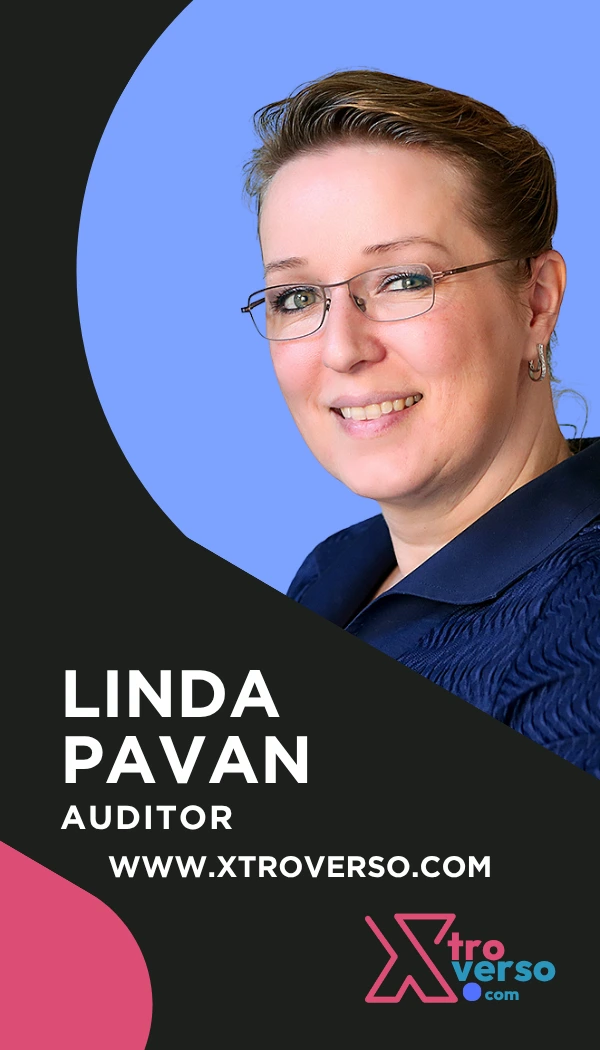
    AUTHOR : Linda Pavan

    Co-Founder of Xtroverso | Financial Strategist

    Linda Pavan brings precision and expertise to Xtroverso, specializing in financial and tax solutions. Her dedication to empowering businesses ensures every decision is backed by clarity and confidence.​


    Understanding Depreciation: What Is It?

    Depreciation is the process of spreading the cost of a fixed asset over its useful life. When your business purchases equipment, vehicles, or machinery, those assets don’t last forever. Over time, they lose value because of wear and tear or becoming outdated. Depreciation reflects this gradual decrease in value in your financial records. It’s not just a technical accounting practice—it’s a way of showing how much of an asset’s value you’ve "used up" each year.

    Why Depreciation Matters to Your Business

    Depreciation isn’t just about keeping tidy books; it has real benefits for your business. First and foremost, it helps reduce your taxable income. Instead of writing off the entire cost of an asset in one year, depreciation allows you to spread that expense over several years, creating smaller deductions that can ease your tax burden. It also gives you a clearer picture of your finances by showing the true value of your assets at any given time. And, of course, proper depreciation is required by tax authorities, so getting it right is essential for compliance.

    Choosing the Right Method for Depreciation

    There are several methods to calculate depreciation, and the one you choose depends on the nature of your asset. The most common method is straight-line depreciation, where you divide the cost of the asset evenly over its useful life. For example, if you buy a vehicle for €20,000, expect it to last five years, and anticipate selling it for €5,000 at the end, you’d deduct €3,000 each year.

    Other methods, such as the declining balance or units of production, might be better suited to assets that lose value faster when new or are heavily used. It’s important to pick the method that best reflects how the asset is used in your business.

    How to Record Depreciation in Your Books

    Recording depreciation is straightforward when you break it into two parts. First, you recognize the depreciation expense in your profit and loss statement, which reduces your taxable income. Second, you record it as accumulated depreciation in your balance sheet, which reduces the asset’s value over time. This ensures your financial records remain accurate and balanced.

    Common Mistakes to Avoid

    When managing depreciation, it’s important to avoid a few common pitfalls. One is forgetting to account for the asset’s residual value—the amount you expect to get from selling or scrapping it at the end of its life. Another mistake is overestimating the useful life of an asset. If an asset wears out or becomes obsolete faster than expected, you’ll need to adjust your calculations. Staying realistic and revising your depreciation schedule when needed ensures your financials remain accurate.

    How Odoo Simplifies Depreciation

    For business owners who want to streamline the process, Odoo is an excellent tool. It makes it easy to set up depreciation schedules, automate calculations, and integrate them into your overall accounting. Using Odoo helps you stay organized, ensures compliance with tax laws, and saves time as your list of fixed assets grows.

    Making Depreciation Work for You

    Depreciation isn’t just a box to tick—it’s a powerful tool for managing your finances and planning for the future. By understanding how it works and using tools like Odoo to handle the details, you can stay on top of your assets and make informed decisions about when to invest in replacements or upgrades. And if you ever feel stuck or unsure, reach out for help. With a bit of guidance, depreciation becomes a straightforward and even empowering part of running your business.

    Need help setting up your depreciation scheme?

    Contact us


    in LINDA PAVAN
    # LEDGER Linda Pavan
    Linda Pavan December 23, 2024
    Share this post

    Share

    Linda Pavan

    Certified ZENTRIQ™ Auditor and co-founder of XTROVERSO™, Linda brings decades of expertise in ledger management and tax compliance. 

    With a rigorous yet pragmatic approach, she ensures financial systems are not just accurate, but aligned with transparency, trust, and long-term resilience.

    BOOK A MEETING

    Linda Pavan

    Gecertificeerd ZENTRIQ™ Auditor en medeoprichter van XTROVERSO™, brengt Linda tientallen jaren expertise mee in ledgerbeheer en fiscale compliance.

    Met een rigoureuze maar pragmatische aanpak zorgt zij ervoor dat financiële systemen niet alleen accuraat zijn, maar ook in lijn liggen met transparantie, vertrouwen en veerkracht op lange termijn.

    BOOK A MEETING

    Laura De Troia

    Laura, con la sua empatia naturale e il suo forte senso del servizio, fa sì che ogni cliente si senta ascoltato, supportato e valorizzato. È impegnata a costruire relazioni durature e porta chiarezza, calore e coerenza in ogni interazione, contribuendo a rafforzare la fiducia e ad elevare l’esperienza del cliente.

    BOOK A MEETING

    Laura De Troia

    Laura, con su empatía natural y su fuerte vocación de servicio, hace que cada cliente se sienta escuchado, acompañado y valorado. Está comprometida con la construcción de relaciones duraderas y aporta claridad, calidez y coherencia en cada interacción, contribuyendo a fortalecer la confianza y a elevar la experiencia del cliente.

    BOOK A MEETING

    Aurelija

    Aurelija, turinti natūralią empatiją ir stiprų rūpinimosi klientu jausmą, pasirūpina, kad kiekvienas klientas jaustųsi išgirstas, palaikomas ir vertinamas. Ji yra atsidavusi ilgalaikių santykių kūrimui, o kiekvienam kontaktui suteikia aiškumo, šilumos ir nuoseklumo, taip stiprindama pasitikėjimą ir dar labiau gerindama kliento patirtį.

    BOOK A MEETING

    Tags
    LEDGER Linda Pavan
    Our blogs
    • LINDA PAVAN
    • LAURA DE TROIA
    • BOOKKEEPING
    • VAT
    • INVOICING AND LEDGER
    • PAYROLL
    Dividend Tax in 2025: What’s Changing?
    Dividend tax in 2025 sees key changes, including lower Box 2 rates and adjusted tax burdens. Learn about the impact on investors and director-major shareholders.
    XTROVERSO™

    Bookkeeping, tax, payroll, and company control for small businesses in the Netherlands.

    • 2017-26  © Xtroverso™ 
      KvK : 70402787
      BTW : NL 8583.07.790B01
      BECON : 685811 

    Explore
    • About 
    • Knowledge
    • Contact
    • FAQ
    • WORK WITH US
    • PRESS ROOM
      Book Your Intake
    • Client Login
    Services
    • Scope of Work
    • Pricing
    • Employer & Payroll Support
    • Year-End & Board Reporting
    • Business Transition & Reconstruction Support
    Framework

    How XTROVERSO Works
    Why XTROVERSO Is Different
    Framework & Controls
    Verification & Compliance Checks
    Cultural Manifesto
    Client Journey
    Already a Client?

    Legal

    Terms & Conditions
    Data & Privacy Statement
    Cookie Policy

    An address must be specified for a map to be embedded
    Website Logo

    Respecting your privacy is our priority.

    Allow the use of cookies from this website on this browser?

    We use cookies to provide improved experience on this website. You can learn more about our cookies and how we use them in our Cookie Policy.

    Allow all cookiesOnly allow essential cookies