Skip to Content
xtroverso
  • PASLAUGOS
  • PAGRINDAS
  • DUK
  • KAINOS
  • ŽINIOS
  • Daugiau
    • DARBO APIMTIS
    • KULTŪRINIS MANIFESTAS
    • APIE
  • 0
  • 0
  • Nederlands English (US) Deutsch Italiano Lietuvių kalba Español
  • Prisijungti
  • KONTAKTAI
xtroverso
  • 0
  • 0
    • PASLAUGOS
    • PAGRINDAS
    • DUK
    • KAINOS
    • ŽINIOS
    • Daugiau
      • DARBO APIMTIS
      • KULTŪRINIS MANIFESTAS
      • APIE
  • Nederlands English (US) Deutsch Italiano Lietuvių kalba Español
  • Prisijungti
  • KONTAKTAI

From Safety Net to Balance Sheet Line: What Changes in Sick-Leave Dismissals

Why the planned limit on transition compensation quietly shifts risk back to the small business owner
  • Visi tinklaraščiai
  • LAURA DE TROIA
  • From Safety Net to Balance Sheet Line: What Changes in Sick-Leave Dismissals
  • 2026 m. sausio 30 d. pagal
    Laura De Troia

    For many small employers, long-term sickness is not an abstract HR topic but a very real cash-flow problem. Two years of continued salary, replacement costs, and then, if dismissal follows, a transition payment. Until now, there was at least some relief: the government compensated that transition payment. From 1 July 2026, that relief is set to shrink. If the proposal passes, only small employers will still receive compensation by default; medium and large employers will not.

    In plain terms, the transition payment is a legally required sum paid when an employment contract ends after two years of illness. The idea behind the change is simple: larger employers are considered strong enough to absorb that cost themselves. The state saves money, about €380 million a year. For micro and small businesses, the rule matters because it quietly redraws where financial risk lands when illness turns into exit.

    The line between “small” and “not small” will no longer be a matter of interpretation. The Tax Authority already classifies employers annually, and you can see your category in the letter about the differentiated Whk premium, the disability and unemployment insurance contribution. From July 2026, UWV will follow that classification. This means the definition sits outside your control, and it can change from year to year as your workforce fluctuates.

    There is a timing element that deserves attention. If the two-year salary continuation for a sick employee ends before 1 July 2026, medium and large employers may still apply for compensation afterward. If it ends on or after that date, the door closes. For small employers, compensation remains, but even there the assessment method may change in specific cases like business closure. None of this is dramatic on paper, yet it directly affects how predictable the cost of a long illness really is.

    The law is not final. Parliament still has to approve it. But waiting for certainty is rarely a strategy. For small business owners, this is a moment to quietly tighten the basics: keep your sickness cases well documented, know your employer category each year, and factor the transition payment into longer-term financial planning rather than treating it as an exception. Not because panic is needed, but because clarity, early on, is cheaper than surprise later.
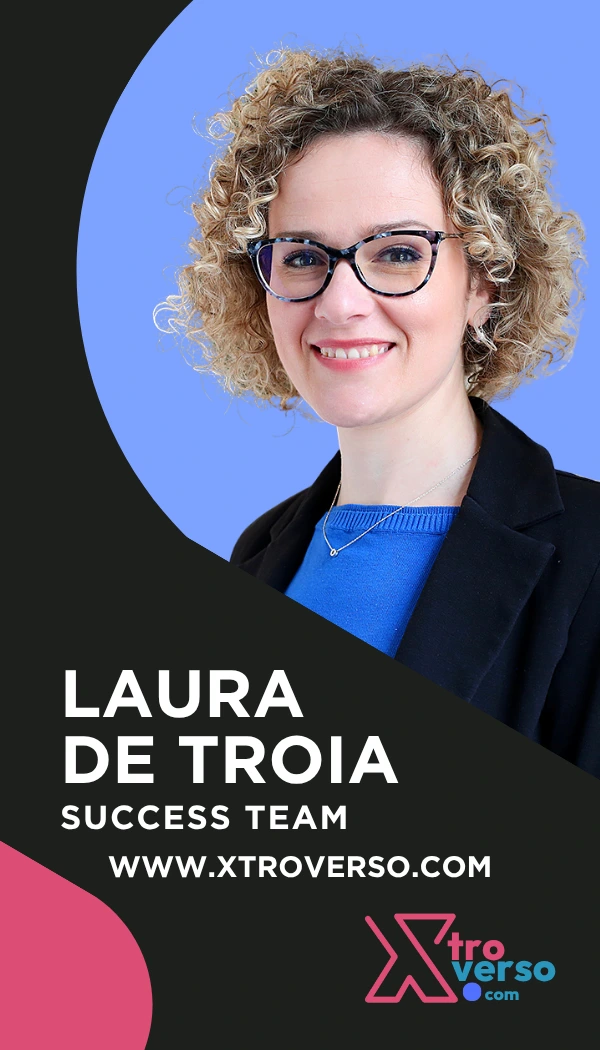

    yra LAURA DE TROIA
    # ES HR IT Laura De Troia NL
    Laura De Troia 2026 m. sausio 30 d.
    Pasidalinkite šiuo įrašu

    Dalintis

    Žymos
    ES HR IT Laura De Troia NL
    Mūsų tinklaraščiai
    • LINDA PAVAN
    • LAURA DE TROIA
    • Our blog
    Why the Hours on a Payslip Rarely Match the Days in Your Head
    What payroll math quietly reveals about consistency, contracts, and control for small businesses
    Tyrinėti
    • APIE WIGEPA
    • DARBO APIMTIS
    • KULTŪRINIS MANIFESTAS
    • ŽINIOS

    Sekite mus
    • Mastodon
    • BlueSky
    • X.com 
    • LinkedIn
    • Spotify
    Susisiekite su mumis
    • +31 (0)85 40 19 174

    • Xtroverso™
    • De Stuwdam 33-35
    • 3815 KM Amersfoort
      Nyderlandai
    Teisiniai aspektai

    SĄLYGOS IR NUOSTATOS

    DUOMENYS IR PRIVATUMAS

    SLAPUKŲ POLITIKA

    ATLYGINIMAS IR DARBO POLITIKA

    SertifikuotaZENTRIQ™. | Suderinta su ISO 37000 | 27001, GDPR | 37301 | 30414 | 45001 | 37001. |Skirta lyderystės vientisumo, valdymo kultūros ir visuomenės pasitikėjimo apsaugai.

    Slapukų politika

    2017-26 © Xtroverso™ | Licencijuota Wigepa BV Įkurta 2017
    KvK : 70402787 | BTW : NL 8583.07.790 B 01 | BECON : 685811
    Sukurta Naudojant Odoo - The #1 Atviro kodo e-komercija

    XTROVERSO

    Jei esate čia, greičiausiai ieškote daugiau nei greito sprendimo.

    Norite vadovauti aiškiai, kurti struktūriškai ir paruošti savo įmonę augti be apsimetinėjimo.

    Taigi, būkime aiškūs: ši svetainė naudoja slapukus, kad veiktų, suprastų, kaip ji naudojama, ir pagerintų tai, kas svarbu — nieko daugiau.

    Mes jūsų nesekame. Mes jūsų neparduodame.

    Mes kuriame pasitikėjimą taip pat, kaip kuriame įmones: apgalvotai.

    Priimkite slapukus, likite susikaupę ir nešvaistykite laiko.

    Jūs arba esate čia, arba ne — ir abu variantai yra gerai.

    ​

    Gerbti jūsų privatumą yra mūsų prioritetas.

    Leisti šios svetainės slapukus šiame naršyklėje?

    Mes naudojame slapukus, kad suteiktume geresnę patirtį šioje svetainėje. Daugiau apie mūsų slapukus ir kaip juos naudojame galite sužinoti mūsų Slapukų politikos.

    Leisti visus slapukus
    Leisti tik būtinus slapukus