
Skip to Content
xtroverso
  • PASLAUGOS
  • PAGRINDAS
  • DUK
  • KAINOS
  • ŽINIOS
  • Daugiau
    • DARBO APIMTIS
    • KULTŪRINIS MANIFESTAS
    • APIE
  • 0
  • 0
  • Nederlands English (US) Deutsch Italiano Lietuvių kalba Español
  • Prisijungti
  • KONTAKTAI
xtroverso
  • 0
  • 0
    • PASLAUGOS
    • PAGRINDAS
    • DUK
    • KAINOS
    • ŽINIOS
    • Daugiau
      • DARBO APIMTIS
      • KULTŪRINIS MANIFESTAS
      • APIE
  • Nederlands English (US) Deutsch Italiano Lietuvių kalba Español
  • Prisijungti
  • KONTAKTAI

When Delivery Costs Follow the VAT And Why That Matters to Your Invoice

What a small line on your invoice can quietly change for your cash flow, your compliance, and your credibility.
  • Visi tinklaraščiai
  • LINDA PAVAN
  • When Delivery Costs Follow the VAT And Why That Matters to Your Invoice
  • 2026 m. vasario 11 d. pagal
    Linda Pavan


    Every entrepreneur knows the feeling: you send an invoice, the amount looks right, the work is done, and yet a small detail can still trip you up. VAT is one of those details. Especially when it comes to delivery costs. Because when you are allowed to apply a lower VAT rate to your product or service, the question quickly follows: what about the delivery? The answer matters more than most people think, not in theory, but in daily cash flow and trust.

    The rule itself is actually simple. If delivery costs are inseparably linked to the main product or service, they follow the VAT rate of that main supply. So if you sell something that is taxed at a reduced VAT rate, think of books, food products, or certain cultural goods, and the delivery is part of that transaction, then the delivery costs may also be taxed at the lower rate. This is not a “nice-to-have” interpretation; it is anchored in European VAT law, specifically Article 78(b) of the EU VAT Directive. That article states that incidental expenses, such as transport and packaging charged to the customer, form part of the taxable amount of the main supply.

    In everyday business language: the tax authority looks at what you are really selling. If delivery is not a separate service but simply part of getting the product to the customer, it is treated the same way for VAT. Split it artificially, and you create risk. Apply the wrong rate, and you may underpay or overpay VAT, both of which will come back to you later, usually at the worst possible moment.

    I see this go wrong most often with small businesses that are trying to be neat and transparent on their invoices. A product at 9% VAT, delivery at 21%, because “transport is always high VAT” it sounds logical, but it is not always correct. And while the difference per invoice may be small, over a year it adds up. Not just in money, but in corrections, questions from the tax office, and awkward explanations to clients.

    What matters is consistency and intention. If you want to charge delivery separately at 21%, then it must truly be a separate service, optional, independently priced, and clearly distinct from the sale itself. If not, keep it aligned with the main supply. This is less about clever tax planning and more about clean administration. Clean administration reduces friction. Friction costs time, and time is the one thing small entrepreneurs never have enough of.

    The good news is that this is manageable. Look at your invoices, your terms, and how you describe delivery. Make sure the story you tell on paper matches the reality of how you work. Small adjustments here prevent big discussions later. VAT rarely causes problems because it is complex; it causes problems because it is treated as an afterthought. And in a small business, afterthoughts are often the most expensive ones.
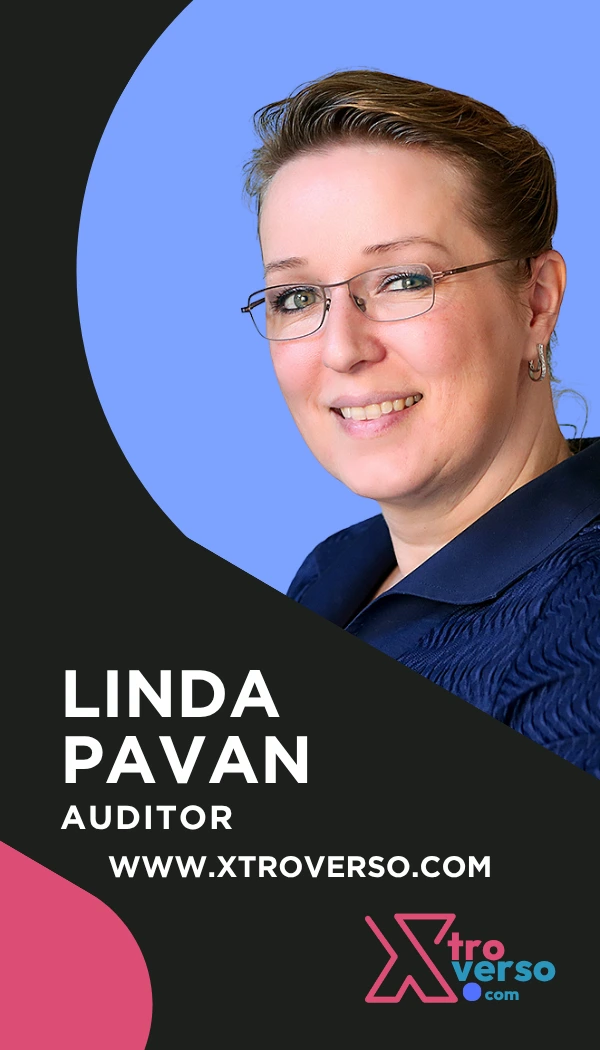

    yra LINDA PAVAN
    # ES IT Linda Pavan NL TAX
    Linda Pavan 2026 m. vasario 11 d.
    Pasidalinkite šiuo įrašu

    Dalintis

    Žymos
    ES IT Linda Pavan NL TAX
    Mūsų tinklaraščiai
    • LINDA PAVAN
    • LAURA DE TROIA
    • Our blog
    What the Tax Office Sees Is What Counts
    Why up-to-date administration is not paperwork, but protection for small businesses
    Tyrinėti
    • APIE WIGEPA
    • DARBO APIMTIS
    • KULTŪRINIS MANIFESTAS
    • ŽINIOS

    Sekite mus
    • Mastodon
    • BlueSky
    • X.com 
    • LinkedIn
    • Spotify
    Susisiekite su mumis
    • +31 (0)85 40 19 174

    • Xtroverso™
    • De Stuwdam 33-35
    • 3815 KM Amersfoort
      Nyderlandai
    Teisiniai aspektai

    SĄLYGOS IR NUOSTATOS

    DUOMENYS IR PRIVATUMAS

    SLAPUKŲ POLITIKA

    ATLYGINIMAS IR DARBO POLITIKA

    SertifikuotaZENTRIQ™. | Suderinta su ISO 37000 | 27001, GDPR | 37301 | 30414 | 45001 | 37001. |Skirta lyderystės vientisumo, valdymo kultūros ir visuomenės pasitikėjimo apsaugai.

    Slapukų politika

    2017-26 © Xtroverso™ | Licencijuota Wigepa BV Įkurta 2017
    KvK : 70402787 | BTW : NL 8583.07.790 B 01 | BECON : 685811
    Sukurta Naudojant Odoo - The #1 Atviro kodo e-komercija

    XTROVERSO

    Jei esate čia, greičiausiai ieškote daugiau nei greito sprendimo.

    Norite vadovauti aiškiai, kurti struktūriškai ir paruošti savo įmonę augti be apsimetinėjimo.

    Taigi, būkime aiškūs: ši svetainė naudoja slapukus, kad veiktų, suprastų, kaip ji naudojama, ir pagerintų tai, kas svarbu — nieko daugiau.

    Mes jūsų nesekame. Mes jūsų neparduodame.

    Mes kuriame pasitikėjimą taip pat, kaip kuriame įmones: apgalvotai.

    Priimkite slapukus, likite susikaupę ir nešvaistykite laiko.

    Jūs arba esate čia, arba ne — ir abu variantai yra gerai.

    ​

    Gerbti jūsų privatumą yra mūsų prioritetas.

    Leisti šios svetainės slapukus šiame naršyklėje?

    Mes naudojame slapukus, kad suteiktume geresnę patirtį šioje svetainėje. Daugiau apie mūsų slapukus ir kaip juos naudojame galite sužinoti mūsų Slapukų politikos.

    Leisti visus slapukus
    Leisti tik būtinus slapukus